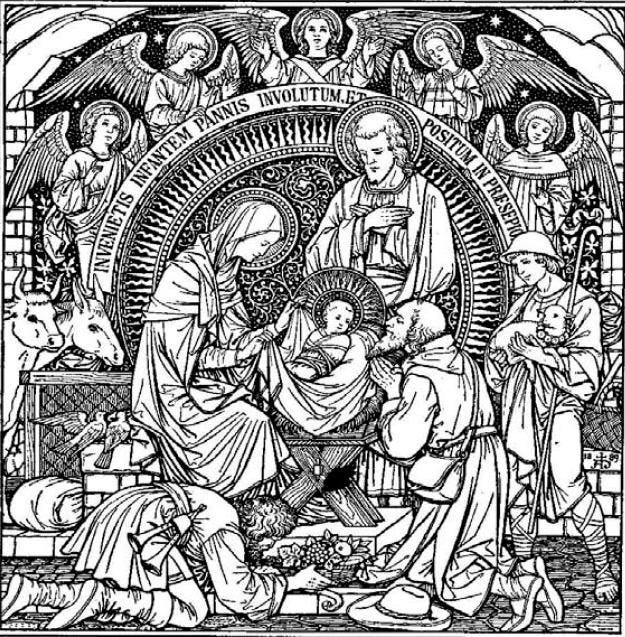
Yes, it's still Christmas
And how you can break free from secular Christmas culture

Christmas Day is on December 25th. And according to the secular world, that’s when it ends, too. They’ll give you until New Year’s Eve if you feel like you need more time. But every Christian that follows a liturgical calendar knows that Christmas only begins on December 25th. The twelve days of Christmas until the Epiphany go until January 6th, but Ordinary Time does not begin until after Candlemas, which is on February 2nd. Many parts of the non-American world still visibly celebrate Christmas until February 2nd—when I was in Krakow this year for the last few days of January till February 1st, wreaths and bows and lights were still up all around the city. It would be nice if American Christians did the same.
Every year now, and I can assume it’s been happening for a long time (as I’m still in my early 20’s), the “Christmas spirit” gets really intense until Christmas Eve, and on Christmas Day the spirit dies somehow. It’s a tragic bit of irony. Of course, this is all because of the damage that has been done thanks to the secularization and commercialization of the holiday. When Christmas is all about presents, and the anticipation and excitement keeps you on your toes, the actual day when it all comes to fruition kills the joy because it’s not a joy that is meaningful enough to last a long time. To the secular world, Christmas is a time for closeness with family and friends when we exchange gifts and eat good food and sweets and drink hot cocoa and festive coffee and tea and mulled wine and cocktails— and the meaning doesn’t penetrate any deeper than this: there’s no “why” for family time and gifts and decorations and festive food and drink.
And if you’re a Christian, you should know why this is incomplete. If, as a teenager or young adult you feel that Christmas has “lost its magic” since you were a child and still believing in Santa, the hunger that pains you should point towards what you’re truly lacking during this season. We find ourselves pained by spiritual hunger when our feelings about the season aren’t aligned with the reality of it. It was a part of growing up for me to finally understand the liturgical seasons of Advent and Christmas and celebrate them properly. Advent is a season of waiting, of excitement, hope and anticipation, but also a season of seriousness and penance to prepare ourselves to receive our King. Translating this into practice, you spend time with your friends and family and pray an advent novena and make advent wreaths and cozy up in the excitement of our Lord’s coming. Just as we fast before receiving the Eucharist, we fast before receiving our King in the flesh through the incarnation and his birth. It’s the same act of preparation, and realizing this can set you free from the emptiness of the consumerist holiday season. Then, when the Lord finally comes, we celebrate this for twelve whole days in a row, and the general season of the nativity continues until Candlemas in February. These twelve days ought to be the most joyful of the season, where families spend time with each other and give each other gifts and bake yule logs and kings’ cakes and drink all the mulled wine and cider you could ask for. The secular culture tells you to do all this until Christmas Day, but that’s when it should begin. Leave your Christmas tree up until the Epiphany, and don’t stop celebrating Christmas until the season comes to its proper end.